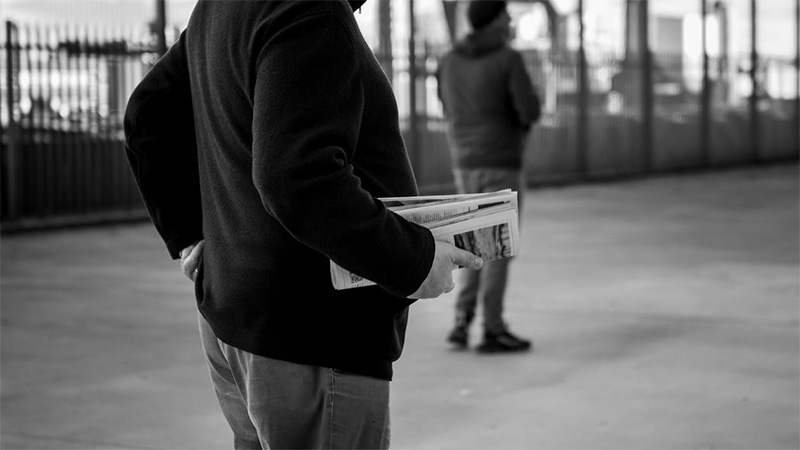
Street photography behaves like a civic nervous system. It reacts. It twitches. It records the small shocks that pass between strangers on a crosswalk, the private boredom inside public space, the dignity of someone waiting for a bus that ignores the schedule. Plenty of people treat cities like machines for commerce. That view misses the point. A city is a rumor with plumbing. Street photographs catch the rumor. They don’t need studio lights to tell the truth. They need timing, nerve, and a sharp eye for the ordinary moment that turns into a story.
The Sidewalk as Stage
Urban life performs itself whether anyone watches or not. Street photography simply admits it. One step outside, and the city starts casting characters. The courier with a torn glove. The teenager testing a new identity in a storefront reflection. The suited attorney eating pizza with the focus of a monk. These scenes look random, yet they follow rules as strict as theater blocking. Traffic lights cue movement. Storefronts frame action. Even trash becomes set design, ugly but honest. A strong street photograph doesn’t chase spectacle. It catches posture, glance, spacing. The geometry matters. The sidewalk turns into a stage where class, fashion, fatigue, and ambition collide.
Light, Weather, and the City’s Mood
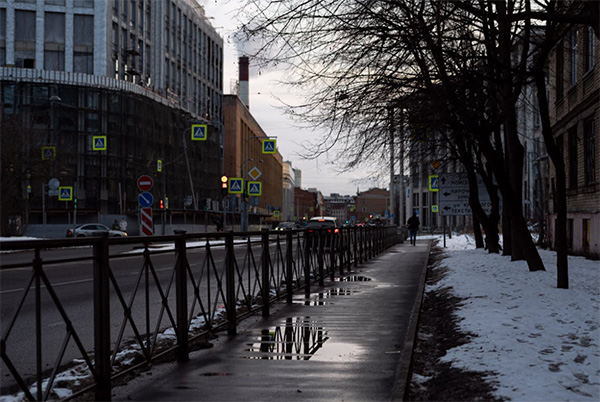
Cities don’t just look different at noon and at dusk. They think differently. Hard midday sun flattens faces into masks and makes shadows look like accusations. Rain turns asphalt into a mirror and makes pedestrians hunch into temporary strangers who share an unspoken agreement to keep moving. Winter light pulls color out of everything, then hands the photographer a palette of steel and breath. The atmosphere writes half the image. Neon in a puddle tells a story about nightlife without showing a drink. Fog makes a block feel like memory. Mood isn’t decoration. Mood is data.
Candid Ethics and the Problem of Power
Romantic talk about spontaneity can’t dodge the uncomfortable part. A camera creates power. It points. It selects. It freezes someone else’s second and turns it into a permanent object. Street photography earns respect only when it admits that tension and acts with discipline. Some photographers shoot like pickpockets, grabbing faces for shock value, then calling it art. That approach turns the city into a zoo. Better work shows restraint. Distance can show respect. Context can show fairness. Even anonymity can protect a subject while keeping social truth intact. The ethical question isn’t abstract. It sits in every frame.
Small Details, Big Systems
A good street photograph works like a symptom. It looks small, then it implicates something larger. A boarded storefront says more about policy than a speech ever will. A luxury tower looming over a laundromat compresses an argument about rent into one rectangle of sky. Even the way people hold their bags can hint at safety, trust, and wealth. Street photography thrives on details because cities run on details. The train delay, the signage, the security camera, the pop-up vendor, the broken curb ramp. These aren’t background. They are the city’s operating system. The image catches a human inside that system, resisting it, adapting, surrendering.
Street photography captures urban life because it refuses the city’s official portrait. Tourism boards sell skylines, glossy and tidy. Mayors cut ribbons. Real urban life happens in pauses. It happens in the look between strangers when a siren passes, in the exhausted posture on a late platform, in the sudden laugh that breaks the hard shell of commuting. The genre preserves change with ruthless accuracy. Neighborhoods flip. Styles vanish. Old signs come down. New rules appear overnight. A street photograph keeps receipts. It shows how people live with density, noise, money, and chance. The best images don’t beg for attention. They stand undeniable.
Photo Attribution:
featured & 1st image by https://www.pexels.com/photo/black-and-white-urban-street-photography-with-newspaper-32233853/
2nd image by https://www.pexels.com/photo/sidewalk-near-street-in-winter-17791728/

