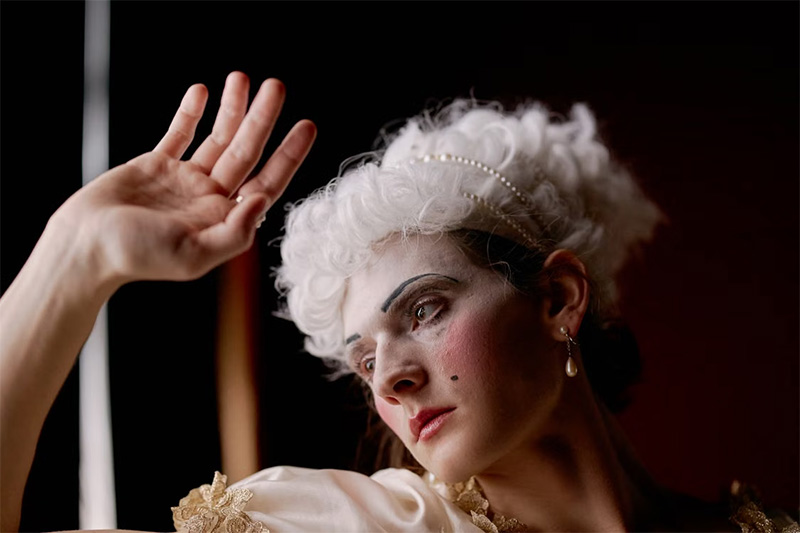
Portraiture has never been a simple matter of recording a face. That idea misses the point. A portrait locks status, desire, fear, vanity, memory, and power inside one image, then dares later generations to read it. Faces carry biography, though they also carry theater. A ruler wants permanence. A merchant wants proof of success. A grieving family wants defiance against death. Across centuries, portraiture has served as mirror, mask, shrine, advertisement, and argument. It reveals not only who sat for the image, but what a culture thought a person was worth showing.
Faces and Power
Early portraiture often stood beside authority. Kings, emperors, priests, and nobles did not commission images out of modesty. They wanted presence that outlived the body. Ancient Egyptian portraits tied the individual to the afterlife. Roman busts pushed another idea. Wrinkles, stern mouths, hard brows. Those details did not merely copy age. They announced discipline, ancestry, and civic seriousness. Later courts in Europe wrapped power in silk and gold. A painted likeness became political machinery. Portraiture in these settings did not ask who a person truly was in private. It declared who that person must appear to be in public.
The Soul Problem
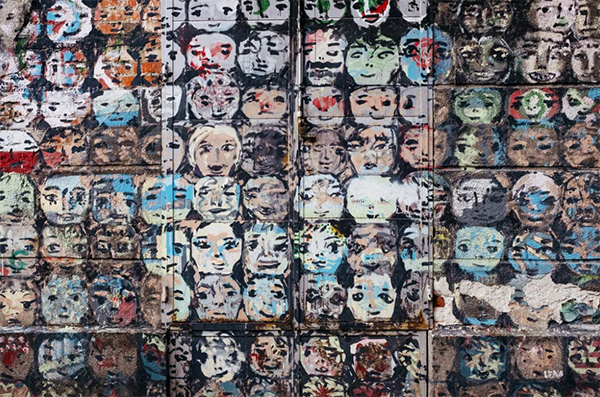
As artists grew less satisfied with surface description, portraiture changed from display into inquiry. A face now had to think. A posture had to imply character. Eyes had to hold secrets. That shift matters because portraiture started chasing inner life, and inner life resists capture. A portrait is still and silent, yet it tries to suggest memory, intelligence, melancholy, wit, or suspicion. Artists used gesture, shadow, background objects, and the angle of the head to build psychological force. A hand resting on a book could hint at learning. Ambiguity entered the room, and portraiture grew richer for it.
Ordinary People Arrive
For a long stretch, portraiture belonged mostly to the rich, the holy, or the politically useful. Money decides visibility. Yet the story widens over time. Expanding middle classes in Europe and America began ordering portraits to mark trade success, family continuity, and self-respect. This was not trivial vanity. It signaled a social shift. The right to be pictured once clung to hierarchy. Now shop owners, lawyers, wives, children, and aging parents claimed space on canvas. Photography then shattered the old order. Likeness no longer required elite patronage. Meaning moved from resemblance toward choice, framing, mood, and context.
Masks in the Modern Age
Modern portraiture lives with a contradiction. People crave authenticity while staging themselves constantly. The painted portrait once arranged identity with formal symbols. The digital portrait does the same thing, only faster. Social media profiles, studio photographs, selfies, official headshots, conceptual paintings. All belong to the same argument about how a person wants to exist before others. Modern artists often push against flattering illusion. They distort features, fracture the body, erase clear backgrounds, or heighten color to expose anxiety, alienation, race, gender pressure, or celebrity manufacture. A portrait still asks what kind of self can be seen, and what kind remains hidden.
Across time, portraiture has done far more than preserve appearance. It has staged the human struggle to become legible. That struggle changes shape from tomb wall to palace canvas to family photograph to phone image, though the center remains the same. People want to outlast the hour. People want witnesses. People want some control over how memory will treat them, and memory never fully obeys. This is why portraits stay compelling. They trap the meeting between self-invention and social judgment. A portrait never presents just one person. It presents a civilization trying to explain personhood to itself.
Photo Attribution:
1st & featured image by https://www.pexels.com/photo/woman-wearing-a-wig-and-full-makeup-6842325/
2nd image by https://www.pexels.com/photo/paintings-of-faces-on-the-wall-7553451/

