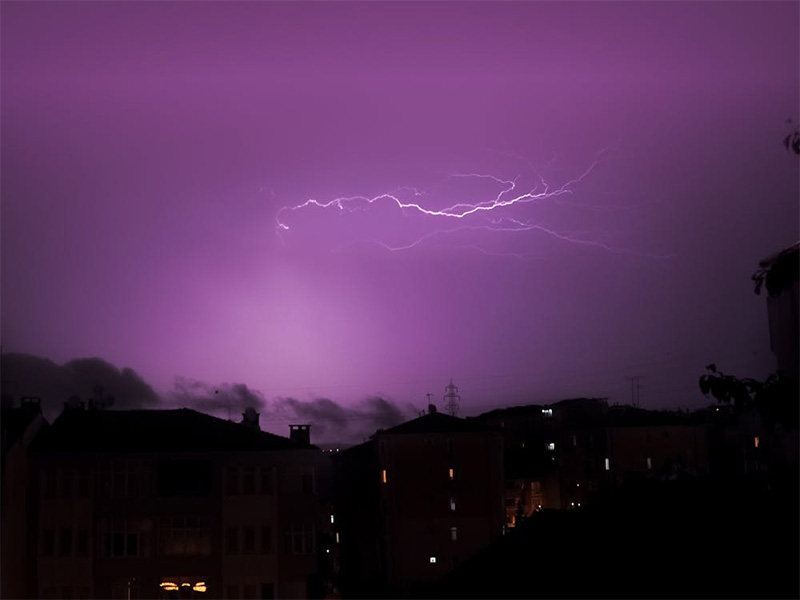
Reason strutted through the eighteenth century like a well-fed magistrate. Numbers behaved. Systems clicked into place. Philosophers drew neat diagrams of the mind and congratulated themselves for taming the human animal. Then a generation looked around and noticed the cost. A world explained too cleanly starts to feel thin, like soup made from rules instead of bones. Romanticism didn’t merely prefer feelings. It accused cold rational order of missing the main event. Storms, ruins, folk songs, fever dreams, lonely mountains at dusk. These weren’t decorations. They were arguments. What this truly signals is a revolt against the fantasy that life fits inside a syllogism without spilling everywhere.
The Scream Against the Clockwork World
Enlightenment logic loved the machine metaphor. The universe as clock. The mind as device. Society as parts that respond to law. Romanticism looked at that contraption and heard grinding. A person isn’t a gear. A forest isn’t a chart. The Romantics chased what escaped measurement, then treated that escape as proof. Is a sunset “useful”? No. That was the point. The movement praised excess, surprise, terror, awe, longing. Burke didn’t flatter polite taste when he described the sublime. He crowned terror. Feelings became evidence that reality exceeds claims of reason.

Nature as a Judge, Not a Diagram
Rationalists mapped nature. Romantics listened to it, argued with it, then fell in love with it. Wordsworth didn’t walk to collect data. He went to get struck. A mountain ridge could shame a smug philosophy class in one glance. That is not softness. That is a power claim. Nature, in Romantic writing, judges human pride because it refuses to sit still for human categories. The oak grows anyway. The sea roars anyway. Logic can name “wave height” and still miss the experience that makes a person feel small, then free. The Romantics insisted that truth includes that experience.
Imagination Starts Throwing Elbows
Logic builds fences. Imagination jumps them. Romanticism treated imagination as a serious faculty. Coleridge spoke of it like a force that shapes meaning, not merely paints pictures. That move rattled the old model where reason sits on a throne and everything else serves. Imagination made new wholes from broken parts. It fused memory, desire, fear, myth, and sensation into something that felt truer than a calm report. Romantic art behaves like early psychology. It claims the mind doesn’t just receive the world. The mind makes a world. Logic hates that sentence.
Politics, Revolution, and the Right to Feel
This rebellion didn’t stay in poems. It spilled into politics, which punishes anybody who pretends humans act like calculators. The French Revolution began with tidy ideals and ended with blood and shouting. Romanticism watched that drama and learned two lessons at once. Pure reason can turn cruel when it treats people as pieces on a board. Pure emotion can burn a city down. The movement fought for the dignity of inner life, for the claims of conscience, for the idea that a nation has a soul and not only a contract. National songs, local legends, peasant tales. These became weapons against formulas.
Romanticism’s revolt against logic didn’t mean a love of stupidity. That lazy insult misses the fight. The movement attacked a specific kind of reason, the kind that brags about neutrality while smuggling in control. It wanted room for the unruly parts of being human, the parts that don’t submit to proof but still steer lives. Love, grief, dread, wonder, faith, the punch of memory. Romantic artists argued that a culture grows sick when it worships clarity and treats mystery as a defect. Modern life still runs on metrics and models, then wonders why people crave ghosts, fantasy, and wild music. The old revolt keeps breathing, because the clockwork world still pretends it’s enough.
Photo Attribution:
1st & featured image by https://www.pexels.com/photo/view-of-a-thunderstorm-14516257/
2nd image by https://www.pexels.com/photo/grayscale-photo-of-scary-person-screaming-5724818/

